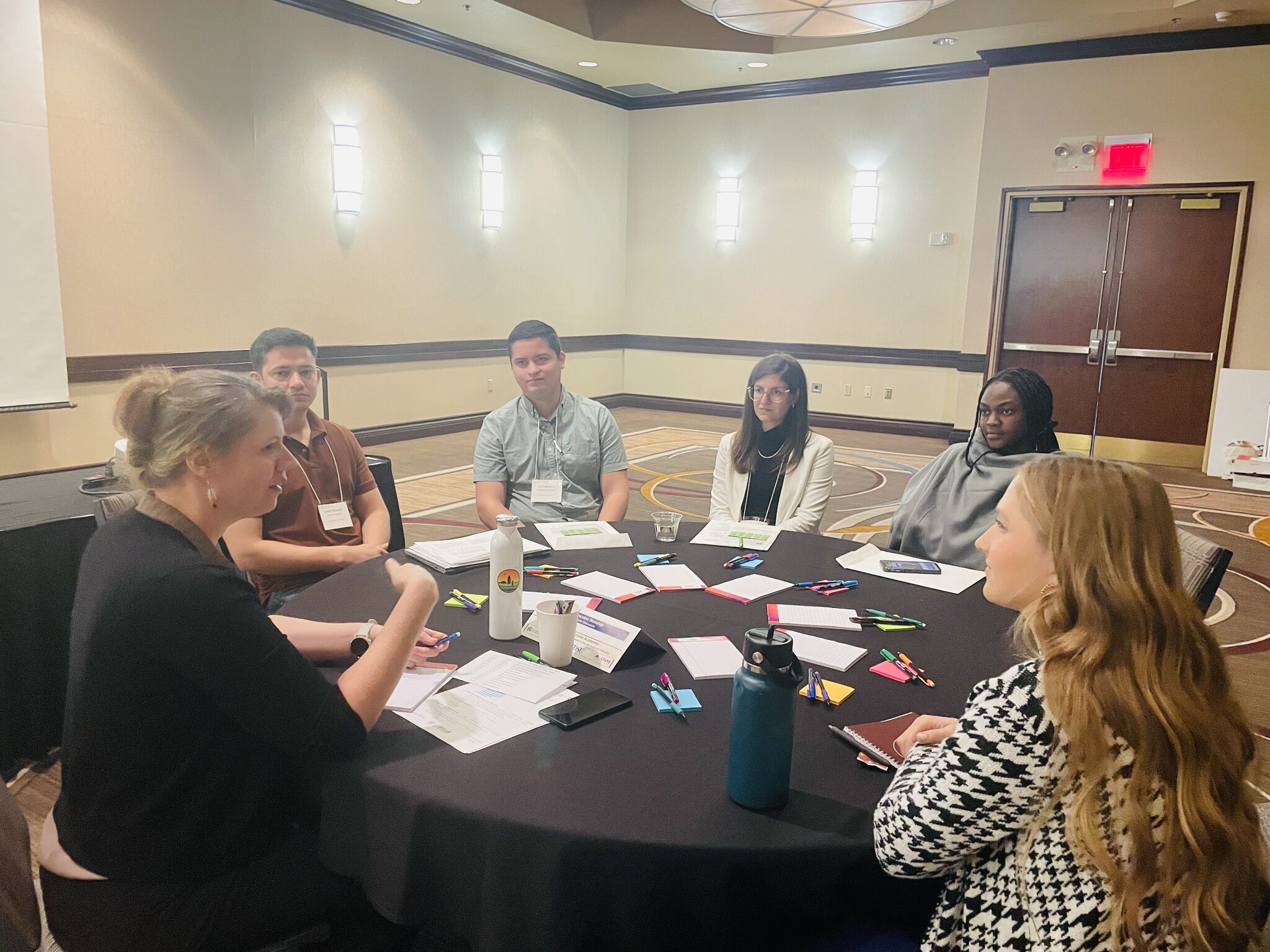
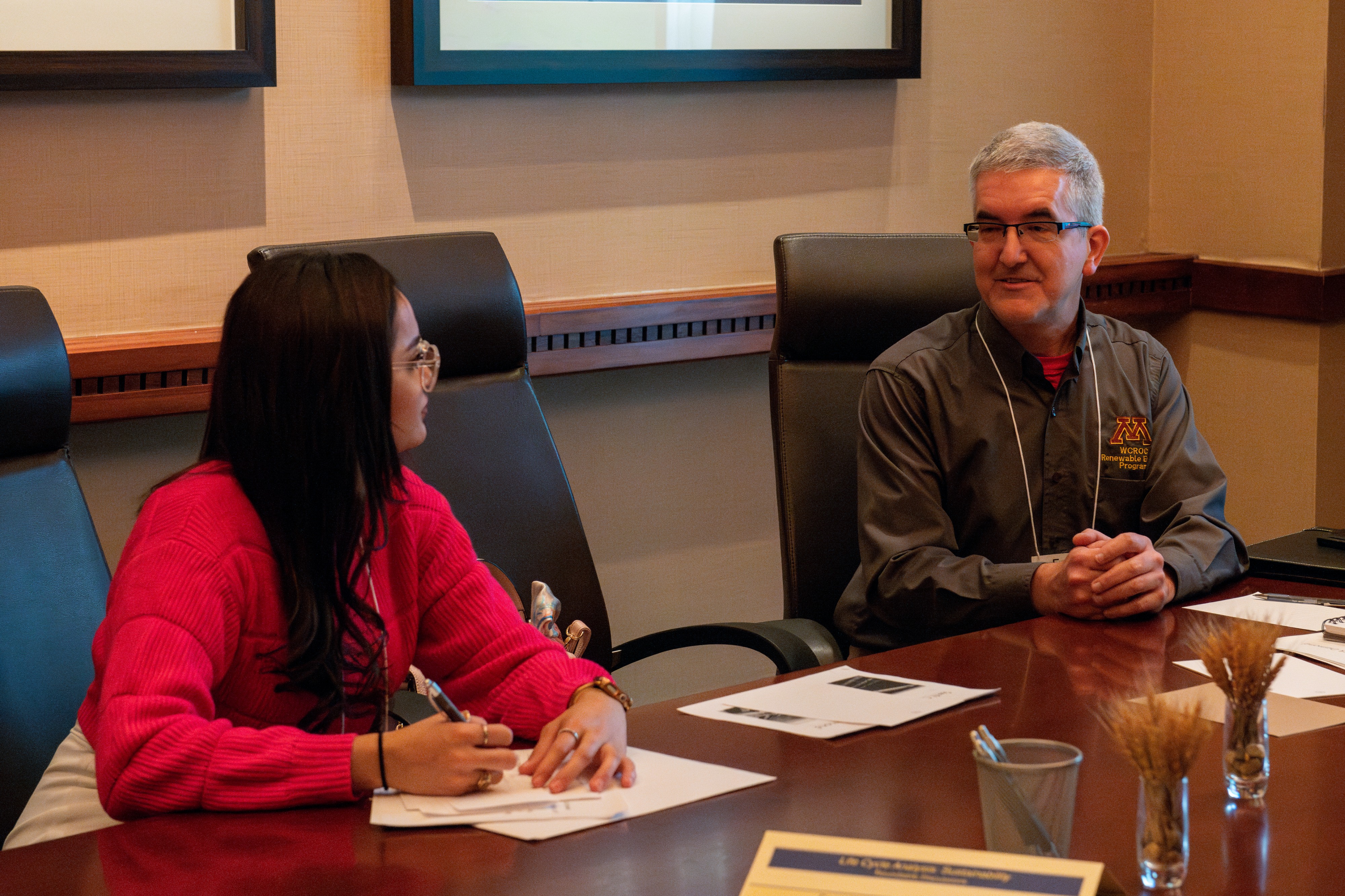
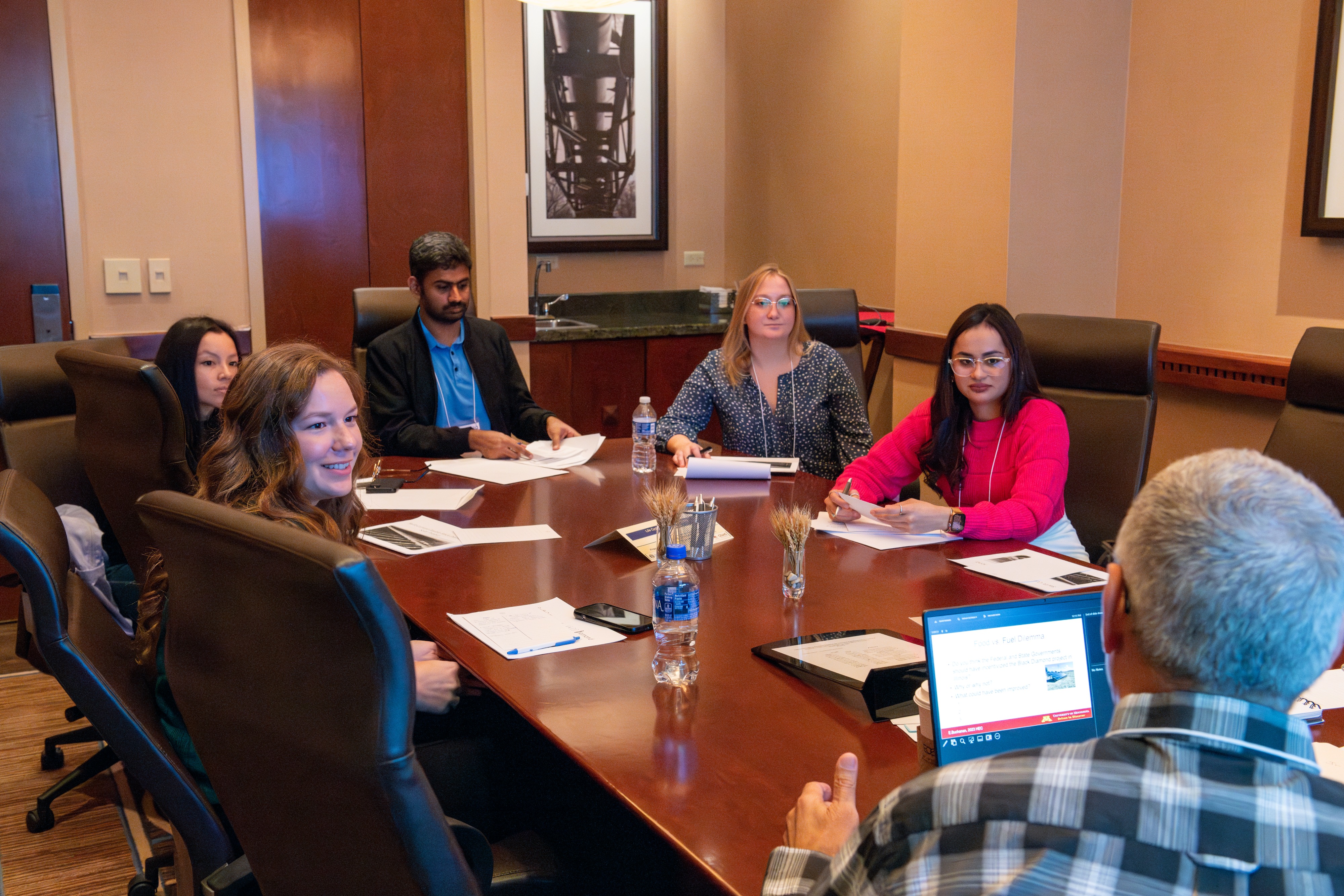
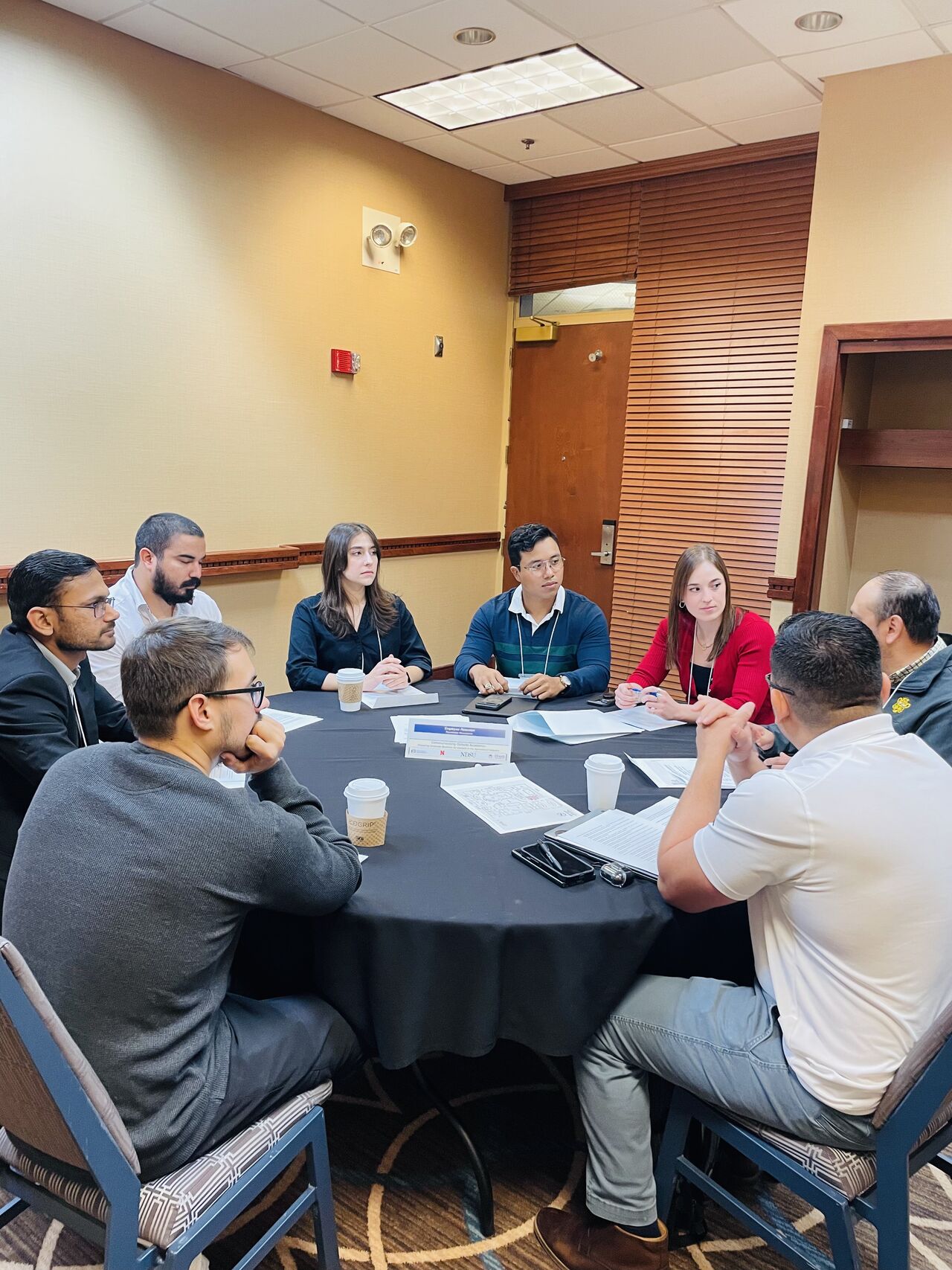
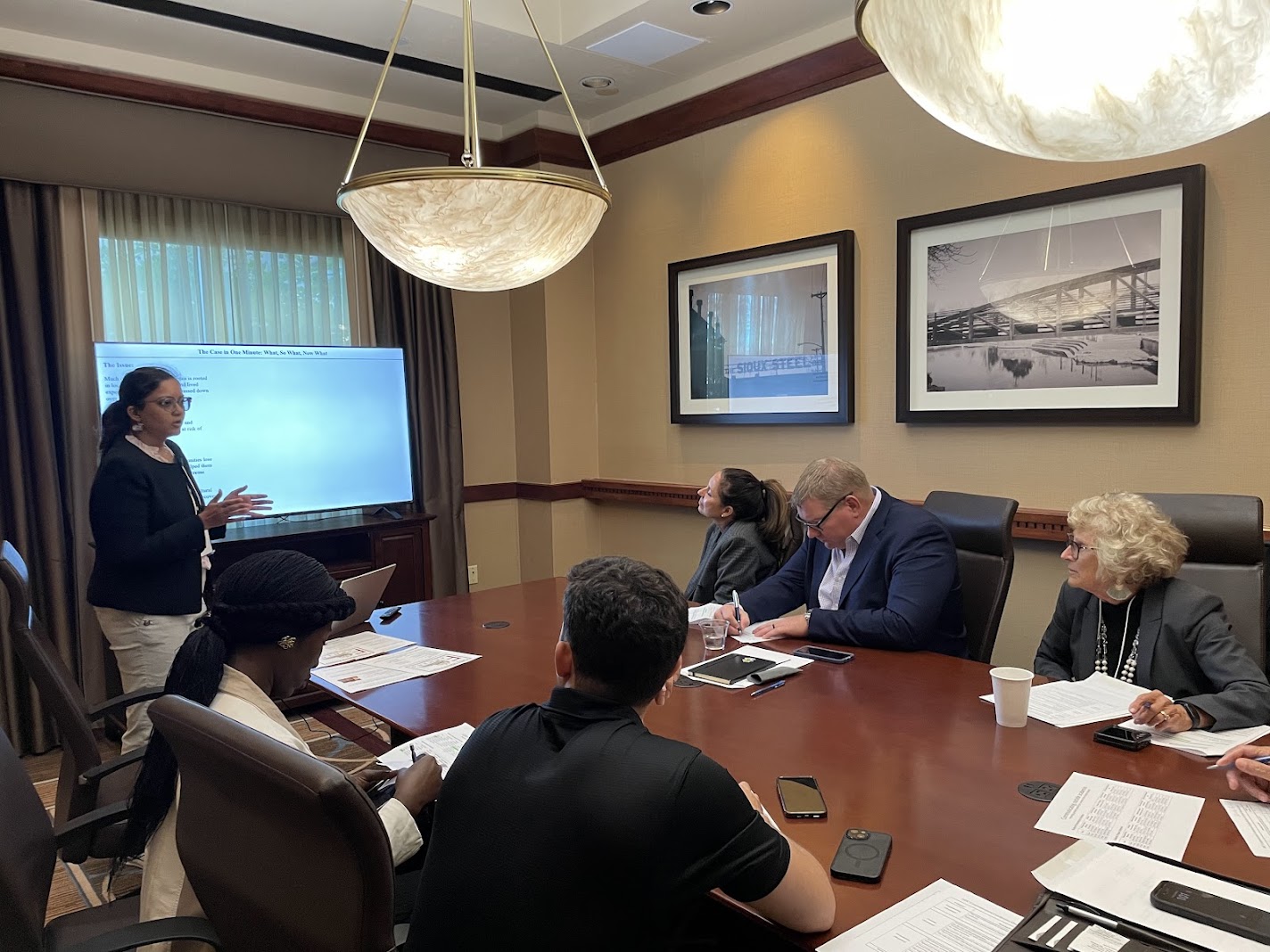
The HEC Science Communication Training Program is designed to help graduate students translate their research into messages that resonate beyond academia. Through a combination of seminars, workshops, and an in-person conference, the program provides space to learn, practice, and apply real-world communication skills.
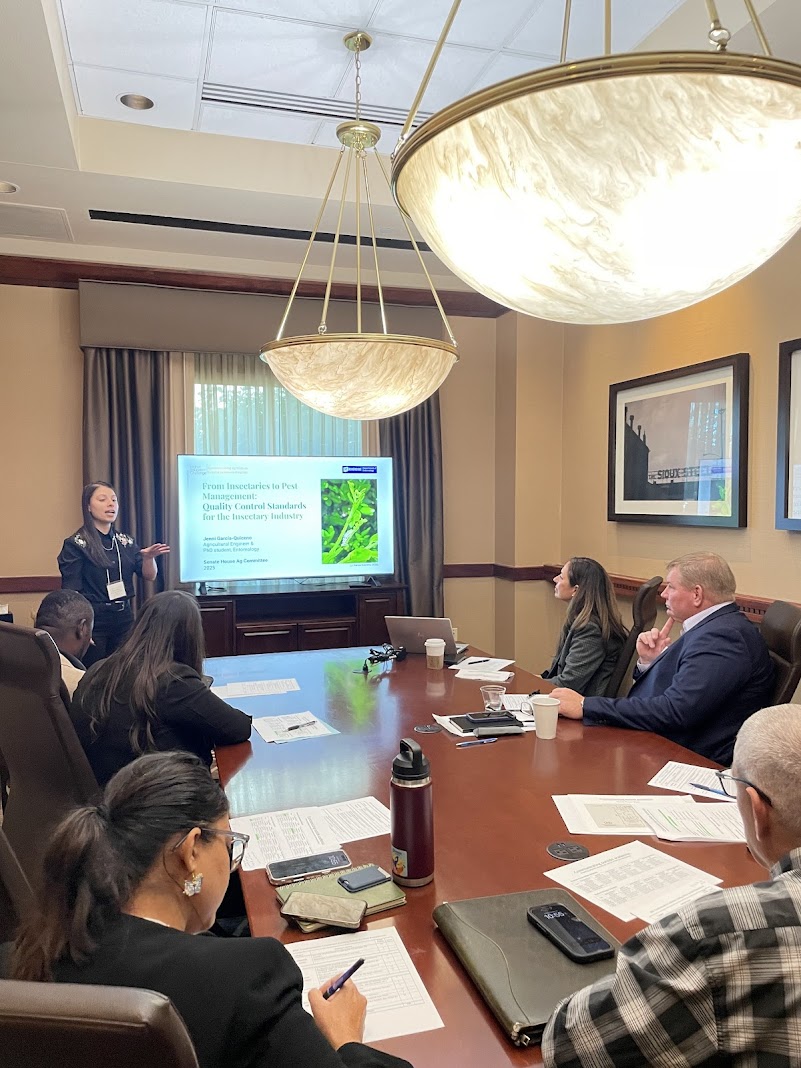
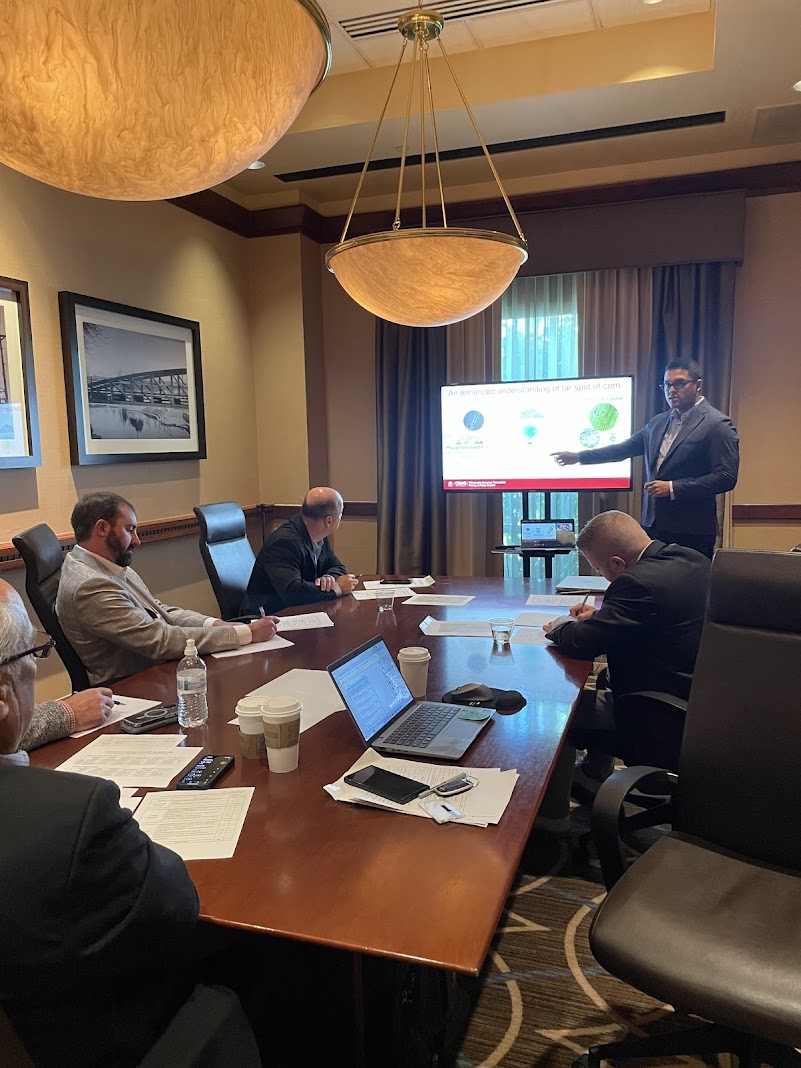
Explore the ProgramA series of live sessions featuring professionals from industry, policy, media, and education. Each seminar focuses on how research is communicated in different professional contexts and what audiences in those spaces expect and value.
Structured, small-group virtual interactive sessions designed to help participants apply communication concepts to their own work. These sessions focus on developing and refining how research is framed for different audiences.
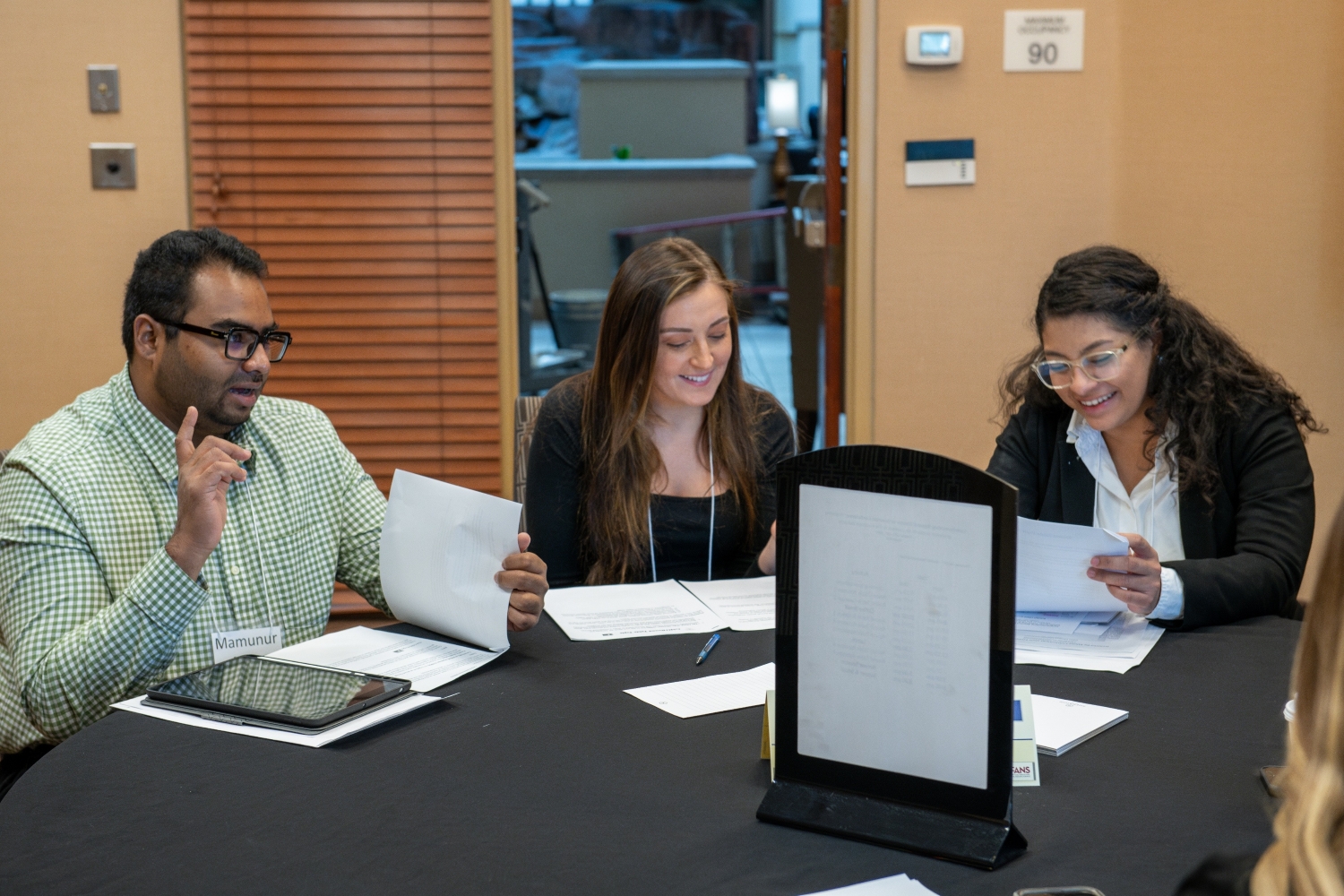
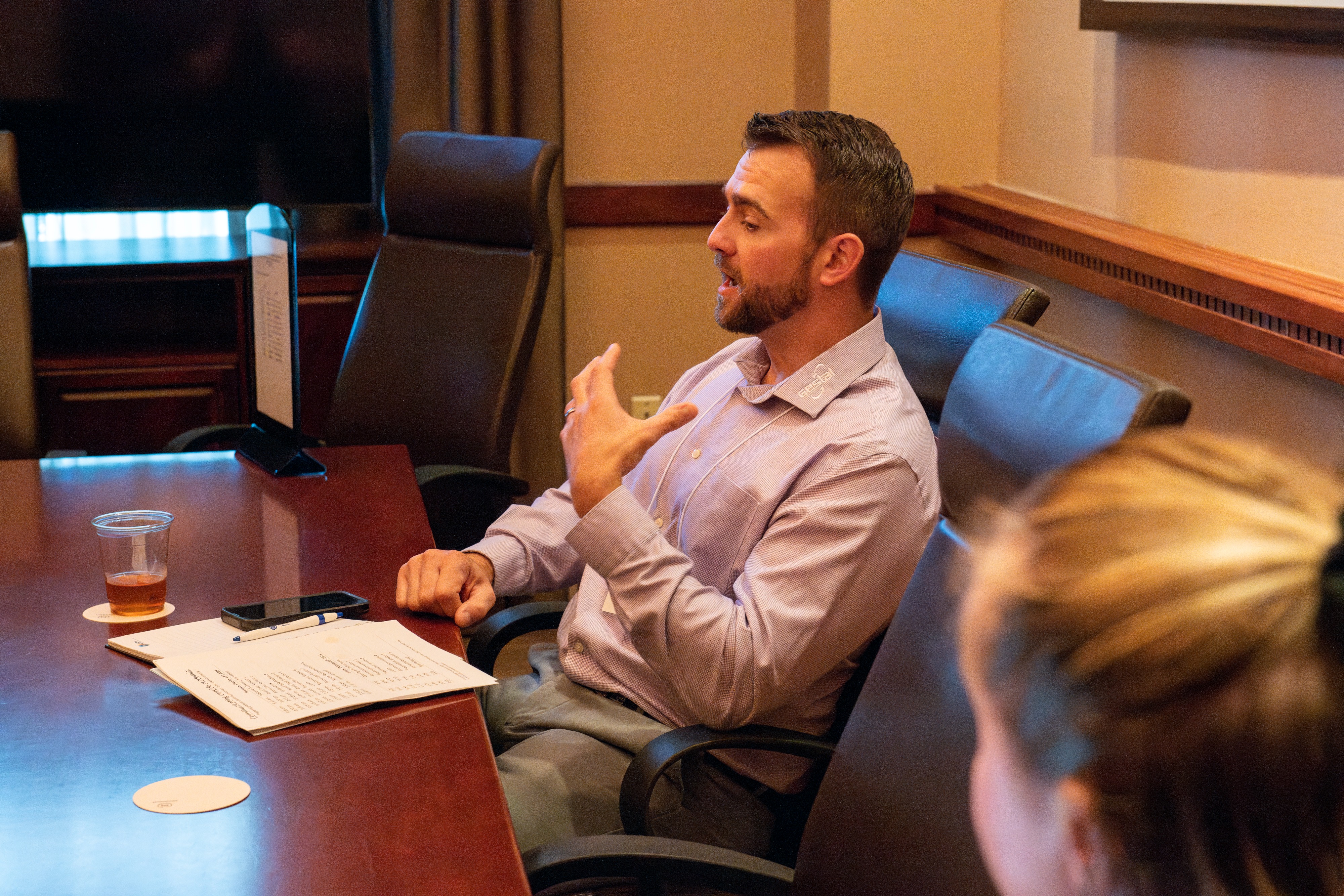
A two-day event where participants engage in discussions, present ideas, and receive feedback. The conference provides an opportunity to apply what was learned throughout the program in a more interactive setting.
Effective communication starts with understanding who you are speaking to. Throughout the program, participants explore how the same research can be interpreted differently depending on the audience, and how to adjust their message accordingly.
In decision-making environments, communication is often tied to action. Whether engaging with policymakers or industry leaders, participants learn how to present their work in a way that highlights relevance, implications, and practical value.
When communicating with broader audiences, the focus shifts toward accessibility. Participants work on translating complex ideas into messages that are understandable, relatable, and grounded in real-world contexts.
Some audiences don’t just receive information—they reshape and distribute it. This part of the program explores how research is communicated through media, design, and health-related fields.


From understanding your audience to communicating with confidence, the program is designed to help you build practical communication skills step by step.
Once the audience is clear, the next step is shaping a message that is focused, meaningful, and easy to follow. Students learn how to communicate the purpose, importance, and takeaway of their work with clarity.
Mini takeaways:

Strong communication begins with knowing who you are speaking to. In this stage, students learn to identify what different audiences value, what questions they are likely to ask, and how the same research may be interpreted in different ways.
Mini takeaways:

Effective communication is not one-size-fits-all. This stage helps students adjust their tone, framing, and emphasis depending on the setting, whether they are speaking with industry leaders, policymakers, producers, journalists, or other public audiences.
Mini takeaways:

By the end of the program, students leave better prepared to present their work clearly and confidently across settings beyond academia. The goal is not only to inform, but to connect, engage, and communicate with purpose.
Mini takeaways:

Communication skills grow through use. Through seminars, workshops, and conference activities, students apply what they learn in realistic settings that encourage discussion, refinement, and feedback.
Mini takeaways:

WHO SHOULD APPLYWho Should ApplyThis program is designed for graduate students who want to strengthen how they communicate their research beyond academic settings. It is especially valuable for students interested in applying their work in ways that connect with broader audiences and real-world challenges.
This program may be a strong fit if:You are a graduate student in an agriculture-related field.
You want to communicate your research beyond academic audiences.
You are interested in engaging with industry, policy, or public audiences.
You want to build confidence speaking in real-world settings.
You are open to discussion, feedback, and interactive learning.
You plan to participate in both the virtual seminars and the in-person conference.
Take the next step in building your communication skills and connecting your research to real-world impact. Join a program designed to help you communicate beyond academia.
Register Now