Our virtual seminar series helps graduate students strengthen the practical communication skills needed to share research clearly, confidently, and effectively with audiences beyond their field.
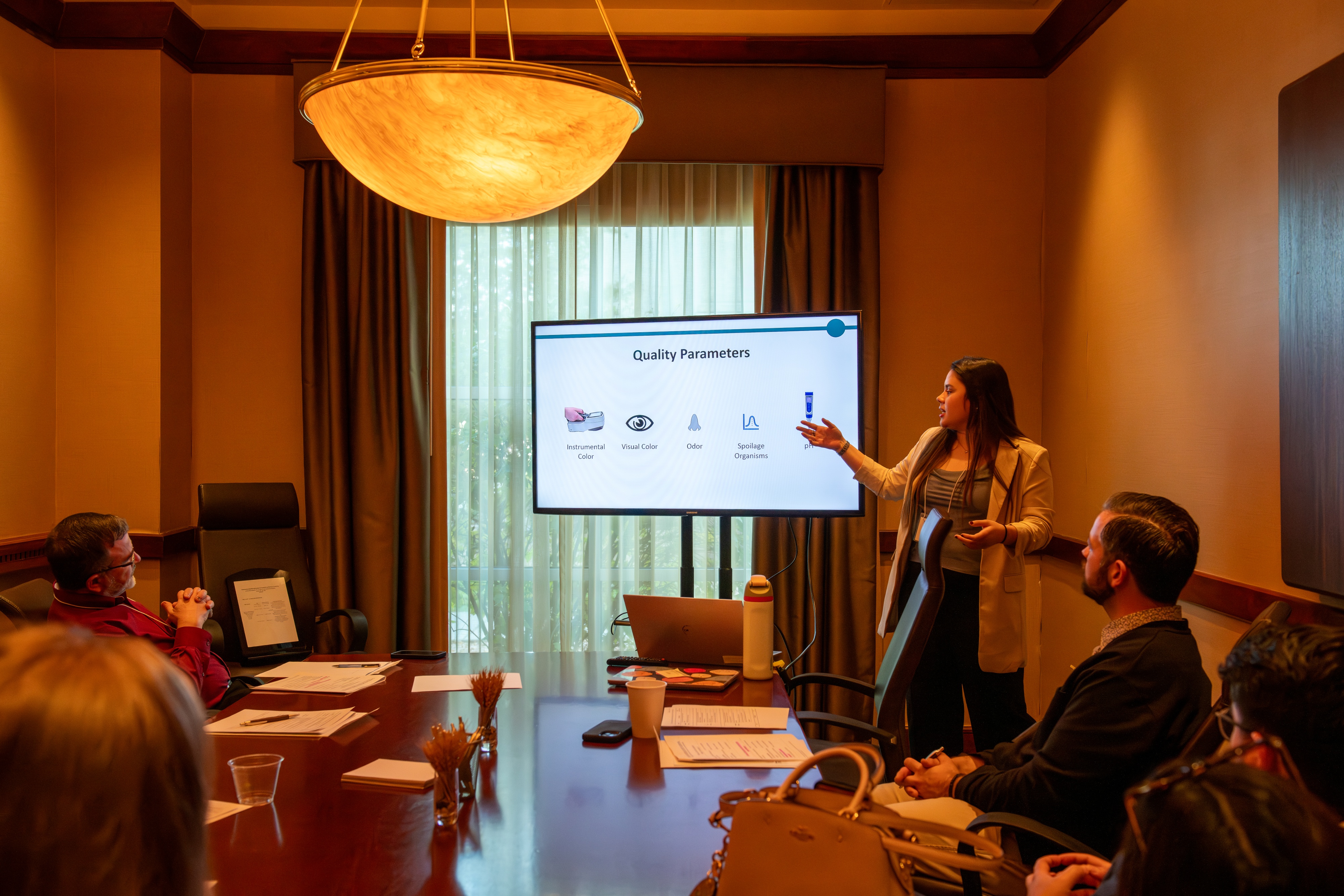
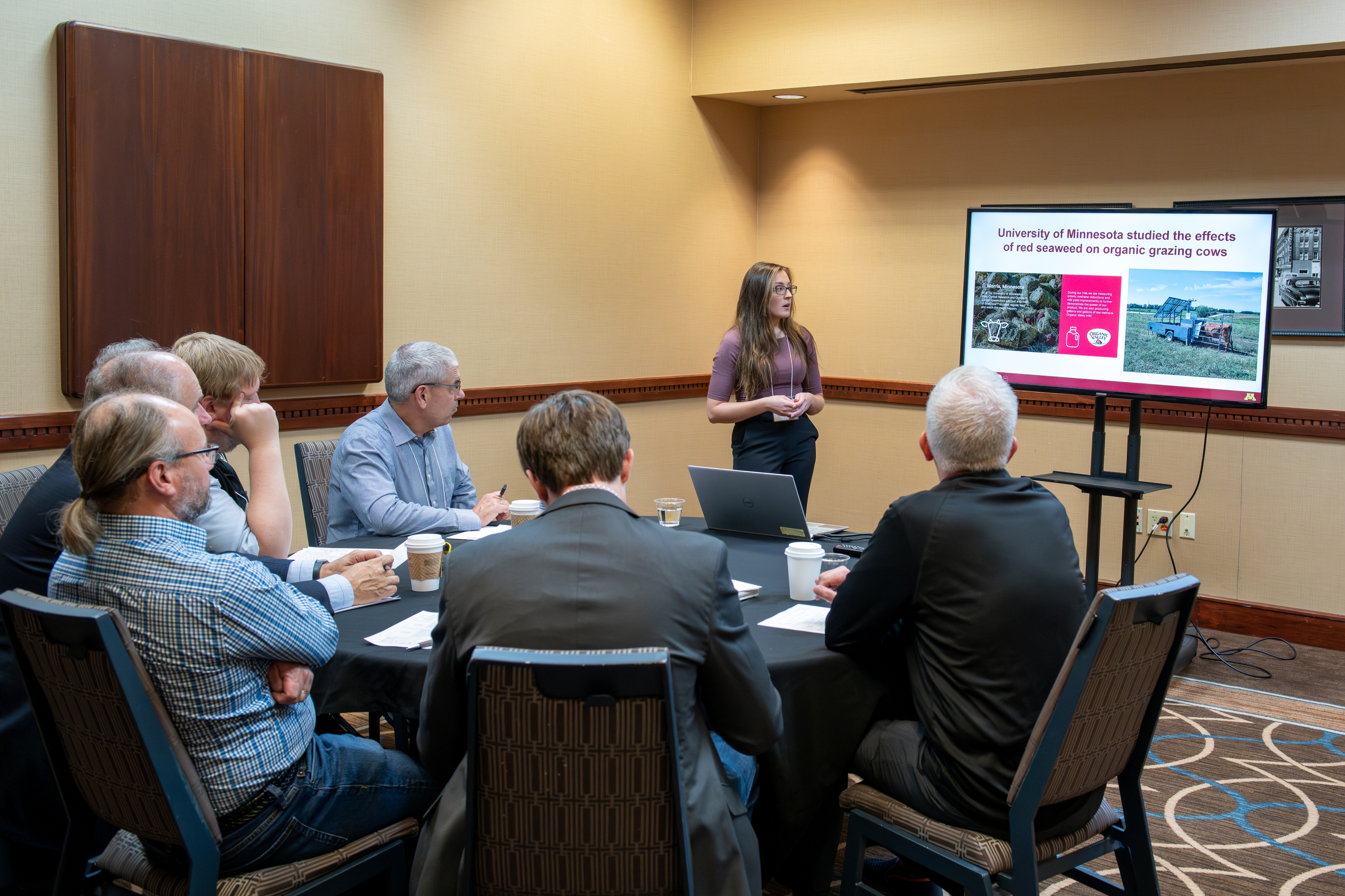
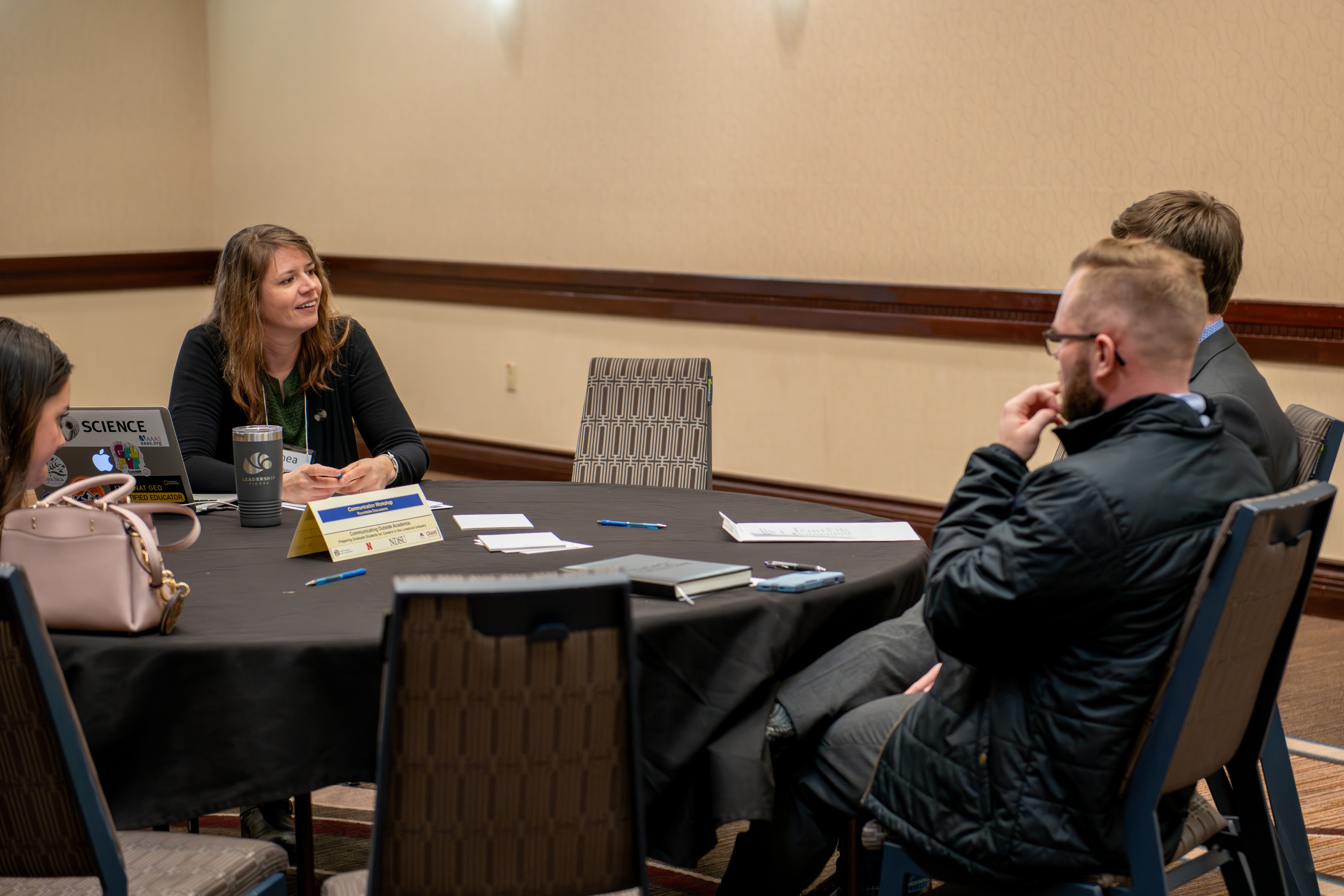
The HEC virtual seminars introduce students to different ways of communicating science outside traditional academic settings. Sessions are led by professionals who bring perspectives from communication, agriculture, education, industry, media, and public engagement.
Seminar topics may vary from year to year, allowing the program to respond to new communication challenges while maintaining the same goal: helping students make complex research understandable, relevant, and useful.
Each seminar explores how the same science may need to be framed, explained, and delivered differently depending on who is listening. Topics may vary by program year.
Explore how emerging tools are changing science communication and how researchers can use them responsibly while maintaining accuracy, transparency, and scientific integrity.
Learn how to translate research into clear, accurate messages that help journalists understand the significance of scientific findings and communicate them to broader audiences.
Practice making scientific ideas understandable and engaging for younger audiences without losing the meaning behind the research.
Explore ways to connect research with practical agricultural decisions by emphasizing relevance, application, and outcomes.
Learn how to frame scientific information around decisions, priorities, evidence, and real-world implications for policy audiences.
Practice presenting research through the lens of impact, relevance, risk, opportunity, and outcomes for decision-makers in industry.
Learn how to explain research in ways that help consumers understand evidence, evaluate information, and make informed decisions.
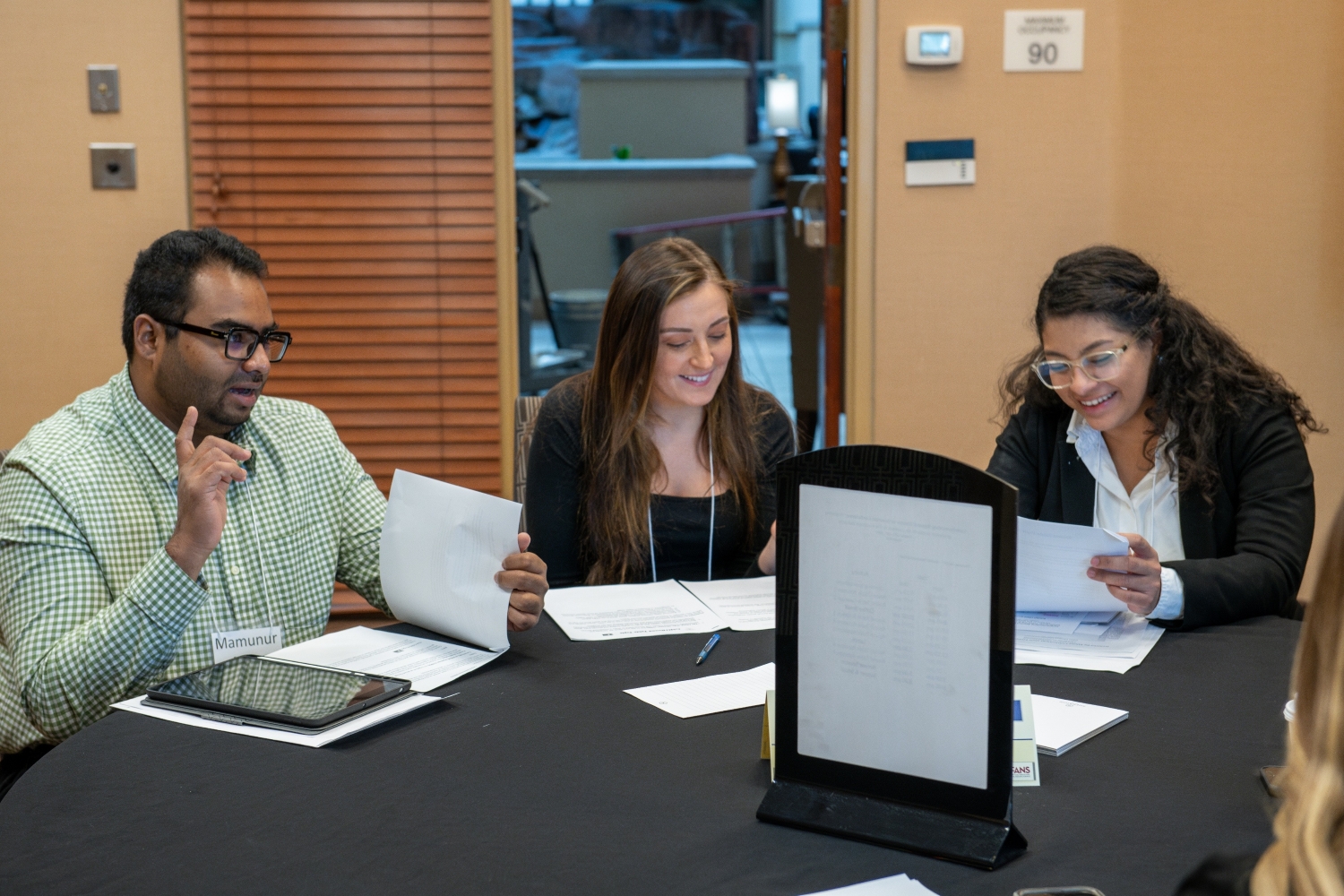
After the seminar series, students move from learning about communication strategies to applying them to their own research. In this interactive workshop, students work with experienced professionals to think through their assigned audience, identify what matters to that audience, and refine how they present their science before the HEC Conference.
Explore the Workshop →“The challenge is not changing the science. It is learning how to make the science meaningful to the person listening.”