The in-person capstone experience where students apply science communication skills through workshops, roundtables, and real-world presentations.

The conference brings together practical communication training, audience-focused conversations, and opportunities for students to present their work in a supportive, real-world setting.
A two-day in-person experience designed to help students apply and strengthen their science communication skills.
Held in Sioux Falls, South Dakota, the conference brings participants together for interactive learning and connection.
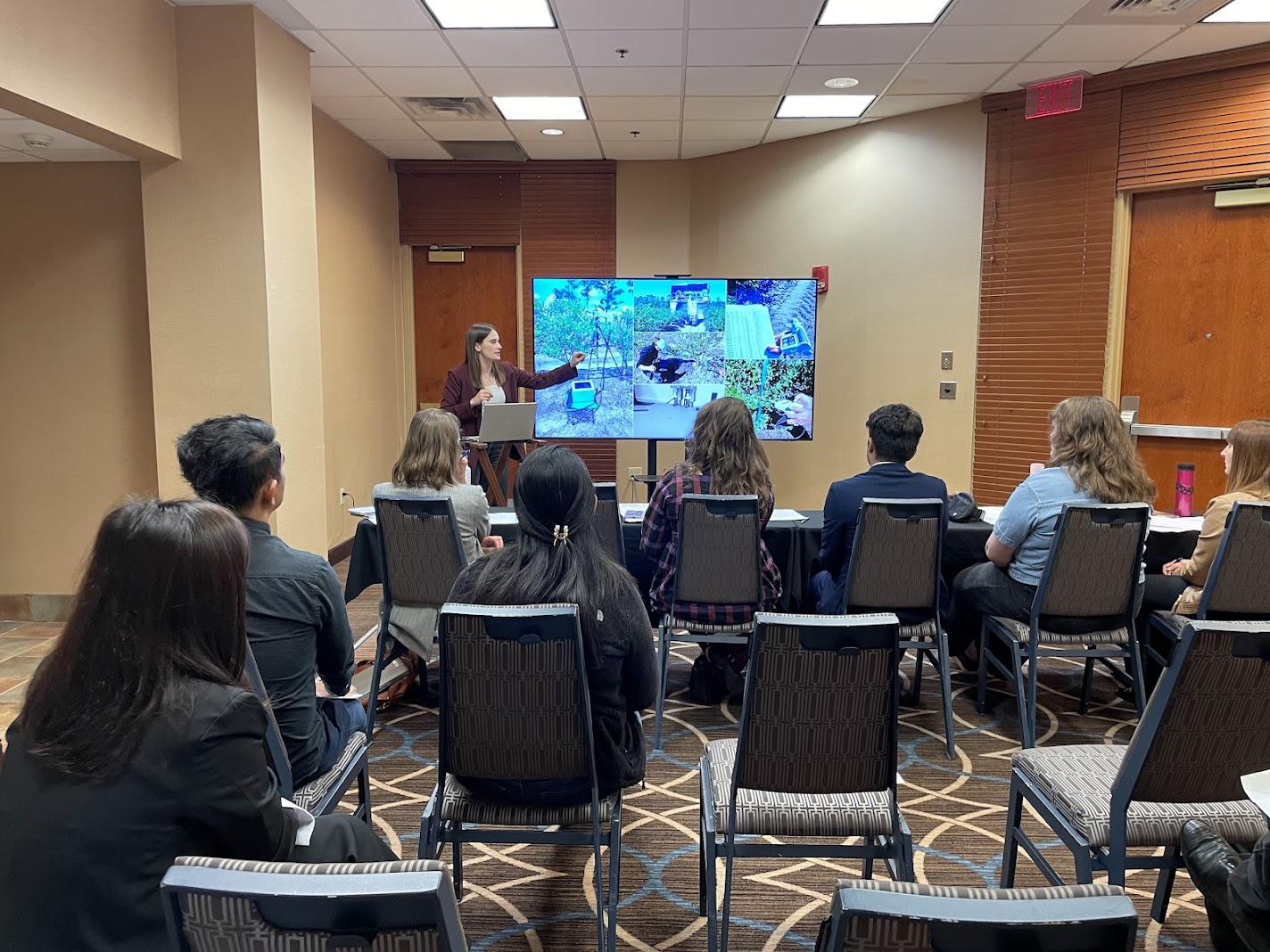
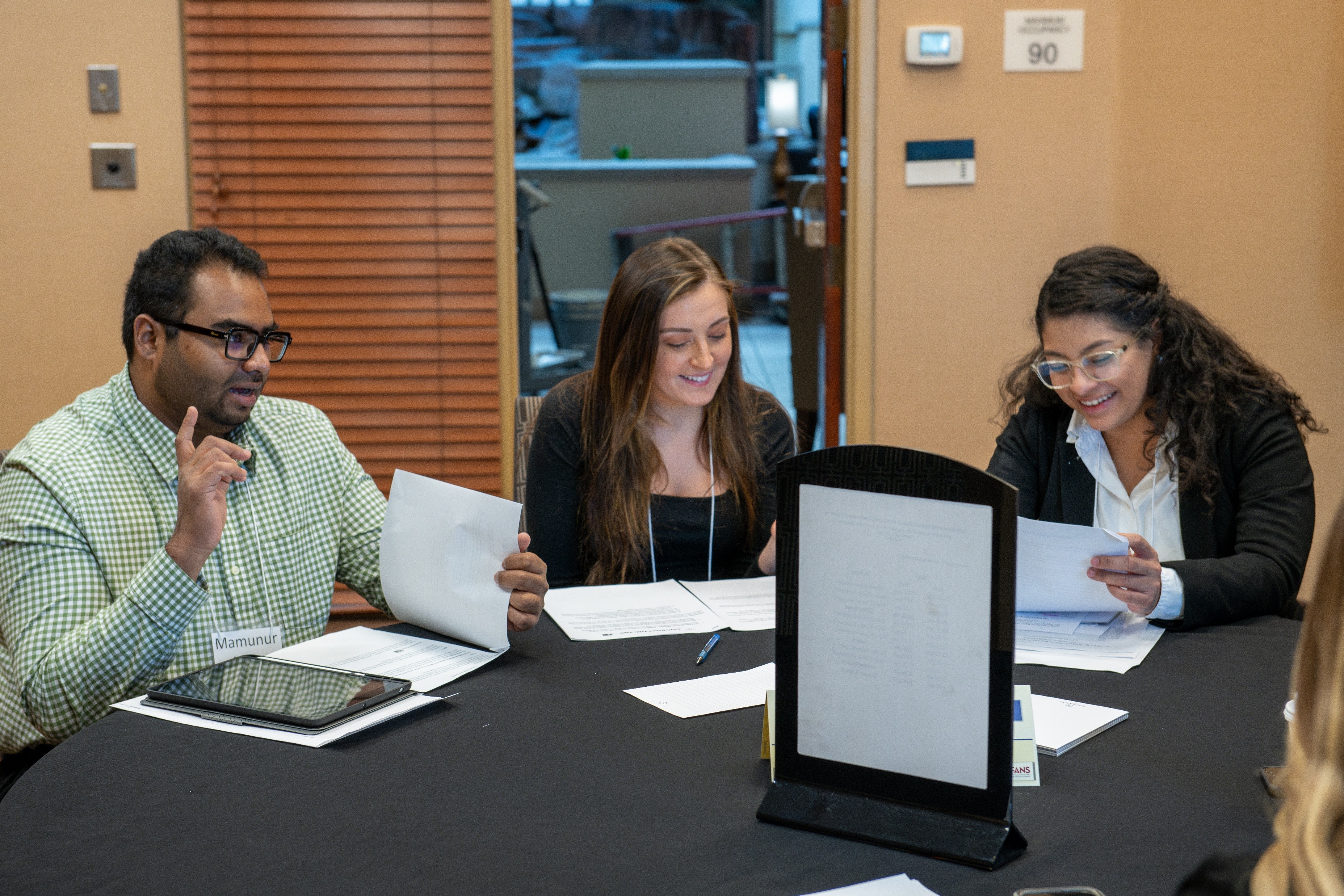
Students take part in workshops, roundtable discussions, and presentation activities that reflect real communication settings.
The conference emphasizes communicating science clearly and effectively to audiences beyond academia.
The conference gives students the opportunity to move beyond learning about communication and begin practicing it in meaningful ways. Through interactive sessions, audience-focused conversations, and presentation experiences, students strengthen their ability to explain their work clearly, confidently, and with purpose.
This is where students begin turning research into a message that can connect with people outside their field.
Expand each day to explore the format, roles, expectations, and key activities.
Thursday is built around roundtable rotations. Students move through all seven sessions across the day, with each table offering a different topic, discussion style, or audience perspective. The goal is not to give the same answer seven times, but to keep adjusting how you listen, respond, and communicate as the room changes.
HOW THE DAY WORKS• You rotate through all 7 roundtables during the day
• Each session introduces a new topic or discussion angle
• The same communication approach will not work equally well in every room
• Participation matters throughout the day, not just in one session
Come prepared to participate in every table, not just listen. Thursday works best when students are willing to ask questions, respond in discussion, and adapt quickly from one room to the next.
AT A GLANCEThursday is the conference day for roundtables. Students move through every session and engage with multiple topics across the full day.
Friday is dedicated to student presentations. This is where you take what you’ve developed throughout the program and apply it in a setting that reflects real-world communication. Each student presents to a panel made up of professionals who represent the actual target audience — not a simulated group. Whether it’s policymakers, industry leaders, producers, or communication professionals, the people in the room are the same types of individuals you would need to communicate with beyond the conference.
HOW THE DAY WORKS• Each student is assigned a presentation room based on audience type
• Presentations are 15 minutes, followed by 20 minutes of feedback and discussion
• Panels are composed of professionals from that specific field
• Written and oral feedback is provided to each student
• Feedback is direct, practical, and grounded in real-world expectations
In addition to presenting, each student will also serve as a Student Critic.
• You will be assigned to a peer’s presentation within your room
• As a critic, you will act as part of the panel and provide feedback
• This allows you to evaluate communication from the audience’s perspective
• It also helps reinforce what effective communication looks like in practice
Each student is required to:
• Attend and present during their assigned session
• Participate as a critic in another student’s presentation
AT A GLANCEA full day of presentations where you apply skills learned throughout the program in front of real audience representatives.